Warren Buffett, often referred to as the “Oracle of Omaha,” has long been a symbol of stability and success for Berkshire Hathaway. However, his recent announcement on May 3 to step down as CEO, while remaining chairman, has triggered a surprising 10% drop in the company’s stock. This decline not only contradicts Buffett’s earlier predictions of a stock surge following his departure but also raises significant concerns among shareholders about the company’s future.
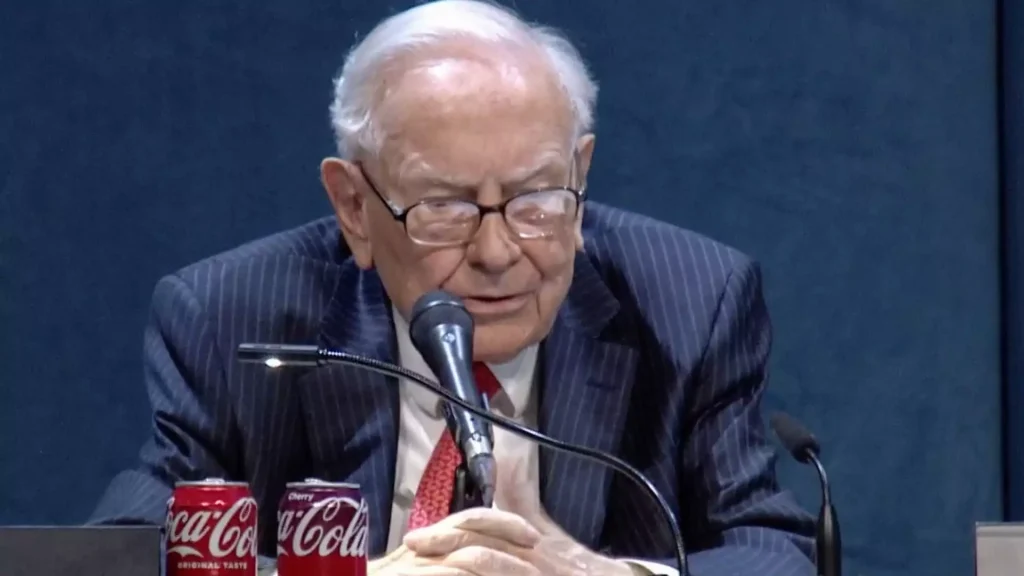
The stark contrast between Berkshire Hathaway’s performance and that of the S&P 500 is alarming. Since Buffett’s announcement, Berkshire has underperformed the index by an astonishing 15 percentage points. Investors had relied on the so-called “Buffett premium,” the added value associated with his unique investment expertise. The rapid decline in stock value poses critical questions about the company’s fundamental strength and resilience in the face of leadership change.
The Erosion of the Buffett Premium
The “Buffett premium” appears to be diminishing, leading to growing disillusionment among stakeholders. David Kass, a finance professor and seasoned Berkshire investor, has expressed astonishment at the stock’s recent performance. In a market where shareholder confidence is crucial, a drop in value exceeding 20% seems increasingly plausible. This sentiment reflects a broader apprehension about the company’s prospects in a post-Buffett era.
Compounding this situation, Berkshire Hathaway reported disappointing first-quarter earnings, revealing a 14% decrease in operating income. Although the company is still projected to maintain a market capitalization above $1 trillion, these recent figures have exposed vulnerabilities that many investors may have previously overlooked. If a company led by an iconic figure like Buffett begins to falter, it raises serious questions about its future under new leadership.
The Impact of Leadership Transition
Buffett’s decision to step down signifies more than just a change in management; it represents the end of an era. Transitioning from a leader like Buffett, who epitomizes value and stability, to a new figure poses both risks and psychological challenges for shareholders. While Buffett’s continued role as chairman may offer some reassurance, its effectiveness may diminish over time.
Greg Abel, who has been groomed as Buffett’s successor, now faces the monumental task of upholding the intricate culture and processes that define Berkshire Hathaway. As the year progresses, the potential for further stock declines looms, particularly if investors perceive that the company’s magic has truly faded.
Seeking Confidence Amid Uncertainty
Berkshire Hathaway finds itself at a critical juncture. Despite its historical resilience, the waning influence of its legendary leader raises fundamental questions about the company’s intrinsic value. Stakeholders are left to ponder whether Berkshire can continue to thrive without its iconic captain. Recent months suggest that a more significant decline may be on the horizon if confidence does not stabilize.
Buffett’s departure marks the conclusion of a remarkable chapter characterized by exceptional success, astute investment strategies, and unwavering shareholder loyalty. As investors reassess their positions, the atmosphere is charged with tension and uncertainty. If Berkshire cannot regain its upward trajectory, what will become of the legacy built over decades?
Looking Ahead: The Future of Berkshire Hathaway
The coming months will be pivotal for Berkshire Hathaway as shareholders and analysts seek clarity during this transitional period. The company must navigate the challenges posed by leadership change while reinforcing its commitment to the principles that have driven its success. The focus will be on maintaining investor confidence and demonstrating that Berkshire can sustain its value even in the absence of its legendary leader.
In this new era, the emphasis will likely shift toward transparency and communication to reassure stakeholders. How Greg Abel manages this transition will be scrutinized closely, as investors look for signs of stability and growth. The performance of Berkshire Hathaway in the near future will not only reflect the company’s resilience but also the effectiveness of its new leadership.
As Berkshire Hathaway embarks on this new chapter, the stakes are high. The company must prove that it can adapt to change while preserving the core values that have defined its success. Investors will be watching closely to see if the “Buffett premium” can be revitalized or if it will continue to erode in the wake of a leadership transition. The legacy of Warren Buffett hangs in the balance, and the future of Berkshire Hathaway depends on its ability to navigate this pivotal moment.