Recently, the stock market experienced a dramatic turn of events when a public feud erupted between Tesla’s CEO Elon Musk and former President Donald Trump. This unexpected clash sent Tesla’s shares diving more than 14%, overshadowing the previous day’s market stability. The fallout from this incident raises questions about the emotional resilience of Tesla’s investors and their dependence on Musk’s charismatic leadership. This situation resembles a soap opera, injecting drama into the financial landscape.
The Personal and Public Interplay
The feud between Musk and Trump underscores the increasingly intertwined nature of personal and public lives of business leaders. What was once a robust alliance has deteriorated, illustrating how socio-political dynamics can swiftly impact economic outcomes. Investors who previously viewed Musk as a symbol of innovation may now be feeling uneasy. If seasoned investors are responding with skepticism rather than loyalty, it begs the question: how much of Tesla’s market value is genuinely rooted in its business fundamentals versus Musk’s personality?
Market Sentiment and Investor Psychology
Despite the significant drop in Tesla’s stock price, sentiment analysis reveals a curious detachment from traditional business evaluation metrics. Many investors appear unconcerned about the company’s declining market share. Instead, they seem to have embraced an unconventional narrative, viewing Tesla as a pioneer in robotics and artificial intelligence rather than focusing solely on electric vehicles. This shift in perspective suggests that investors may be prioritizing a whimsical vision of Tesla’s future, particularly the potential for robotaxis to revolutionize urban transportation.
This phenomenon highlights an intriguing aspect of investor psychology. The market seems to have cultivated a narrative around Tesla that borders on the fantastical—transforming it into what some might call a “nothing-matters stock.” When a company’s valuation is heavily skewed toward speculative future prospects, investors could be setting themselves up for a significant reckoning. This concern is amplified by Tesla’s astonishing trading valuation of 120 times its earnings. While the allure of a world filled with autonomous vehicles is enticing, the question remains: how much are these dreams worth in tangible financial terms?
The Paradox of Investor Loyalty
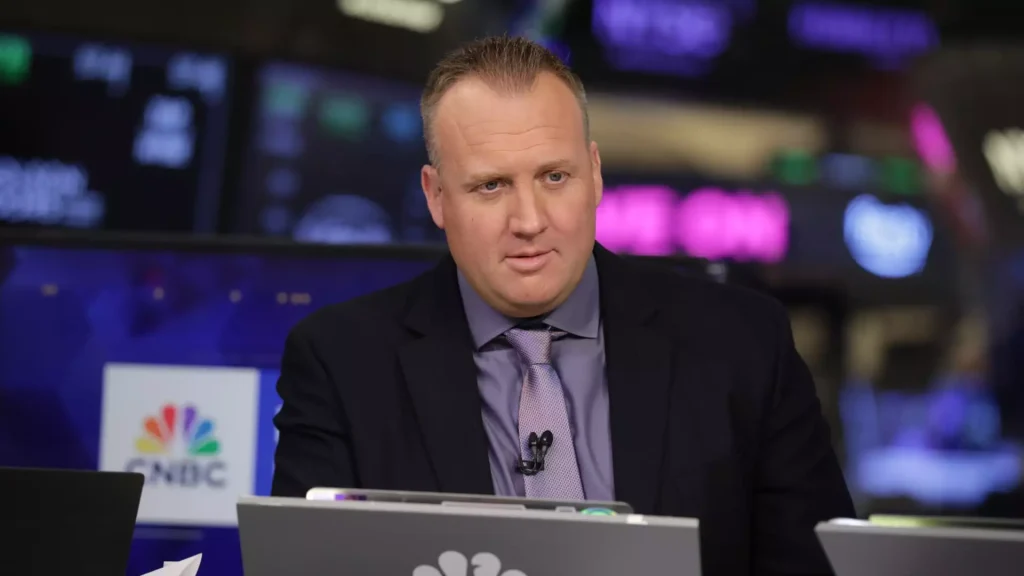
Josh Brown’s insights reveal a paradox in Tesla’s investment community: despite the stock’s dramatic decline, a fervent investor base remains resilient. Even with a more than 25% drop over the past year, many investors continue to demonstrate unwavering faith in the company. This loyalty raises important questions about whether it reflects a sound financial strategy or a potential recipe for disaster.
The alarming aspect of this unwavering belief is the potential for denial regarding the realities of Tesla’s current market position. By framing the company as a leader in robotics rather than focusing on the present challenges of electric vehicle production, investors might be setting themselves up for disappointment. While Elon Musk is undoubtedly a visionary, faith alone cannot sustain a balanced investment portfolio. If Tesla continues to lose market share and its ambitious visions remain unfulfilled, investors may find themselves in a precarious situation.
Social Media’s Impact on Market Dynamics
This incident serves as a cautionary tale about the power of social media to reshape market perceptions almost instantaneously. Platforms like Twitter have become influential tools that can either propel stocks upward or send them plummeting. Investors who rely on social media for updates from prominent figures like Musk may find their rational decision-making compromised, leading to impulsive investment choices driven by social sentiment rather than sound analysis.
While the Twitter spat may appear to be light-hearted drama, the potential ramifications for Tesla are serious. The company must navigate not only its market share and competition but also the profound impact of social narratives that can alter perceptions overnight. As Tesla grapples with these challenges, it faces the dual pressures of realizing its innovative dreams while managing the chaos of social media-driven market sentiment.
Navigating Uncertain Waters
As we analyze this complex situation, a crucial question emerges: how will Tesla navigate the treacherous terrain where ambitious dreams collide with harsh realities? The future remains uncertain, but one thing is clear: investors must proceed with caution in a market landscape that is both turbulent and enlightening.
Investors who are drawn to Tesla’s vision of the future must balance their enthusiasm with a pragmatic understanding of the company’s current challenges. The interplay between innovation and market dynamics will be critical in determining Tesla’s trajectory moving forward. As the company continues to evolve, the need for a grounded approach to investment becomes increasingly apparent.
In conclusion, the recent plunge in Tesla’s stock serves as a reminder of the volatile nature of the market and the intricate relationship between personal dynamics and investor behavior. As Tesla strives to maintain its position as a leader in the electric vehicle space, the influence of social media and investor sentiment will play a pivotal role in shaping its future. Investors must remain vigilant and informed, balancing their aspirations with the realities of the marketplace.